ॐ नमः शिवाय
Oṃ namaḥ śivāya
I bow to Shiva, the auspicious one within all.
When: Any time; Mondays and Shravan especially
Read the guideCount your mantra rounds with a free online jaap counter, then go deeper with carefully written guides to mantras, home puja, fasting days, and festivals.
Purpose-built tools to support your daily practice — from mantra counting to puja planning.
A free naam jaap counter online: a digital mala that counts repetitions and malas, keeps a daily target and streak, and holds a running total for long sankalpas.
Work out how many malas a day you need to reach a sankalpa such as 1.25 lakh or 1 crore repetitions, and how long it will take.
Step-by-step puja vidhis, mantra meanings with correct pronunciation, fasting rules, and festival guides.
Detailed guides on mantras, aartis, fasting days, and worship practices for each deity.
Om Gan Ganapataye Namah
Remover of obstacles and lord of beginnings. Worshipped every Wednesday for wisdom and success.
Om Hanumate Namah
The embodiment of devotion, courage, and strength. Tuesday is his sacred day of worship.
Hare Krishna Hare Krishna
The supreme personality, teacher of the Bhagavad Gita. His maha-mantra brings divine love and peace.
Om Shreem Mahalakshmiyei Namah
Goddess of wealth, fortune, and prosperity. Worshipped on Fridays and during Diwali.
Om Dum Durgayei Namah
The invincible warrior goddess with nine forms. Navratri is her principal festival.
Each with the Devanagari, a careful transliteration, the meaning, and the day it is traditionally chanted. Open the guide for the full context.
ॐ नमः शिवाय
Oṃ namaḥ śivāya
I bow to Shiva, the auspicious one within all.
When: Any time; Mondays and Shravan especially
Read the guideॐ गं गणपतये नमः
Oṃ gaṃ gaṇapataye namaḥ
Salutations to Ganapati, lord of the ganas and remover of obstacles.
When: Before starting anything new; Wednesdays
Read the guideहरे कृष्ण हरे कृष्ण कृष्ण कृष्ण हरे हरे । हरे राम हरे राम राम राम हरे हरे ॥
Hare Kṛṣṇa Hare Kṛṣṇa Kṛṣṇa Kṛṣṇa Hare Hare / Hare Rāma Hare Rāma Rāma Rāma Hare Hare
A call to the divine by name alone; the maha-mantra of the Kali Santarana Upanishad.
When: Daily japa; Ekadashi and Janmashtami
Read the guideॐ श्रीं महालक्ष्म्यै नमः
Oṃ śrīṃ mahālakṣmyai namaḥ
Salutations to Mahalakshmi; śrīṃ is her seed syllable.
When: Fridays and Diwali evening
Read the guideॐ दुं दुर्गायै नमः
Oṃ duṃ durgāyai namaḥ
Salutations to Durga, she who is hard to overcome.
When: Navratri; Tuesdays and Fridays
Read the guideॐ हनुमते नमः
Oṃ hanumate namaḥ
Salutations to Hanuman, the embodiment of strength and devotion.
When: Tuesdays and Saturdays
Read the guideIn-depth articles on mantras, festivals, deities, and spiritual practices — researched and written with care.
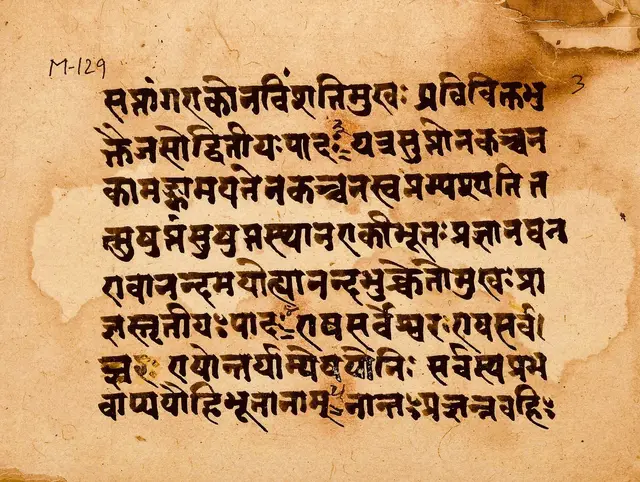
Learn the Sanskrit sounds that matter most for chanting: vowel length, aspirated consonants, retroflex vs dental, visarga and anusvara — with four mantras broken down syllable by syllable in Devanagari, IAST and plain phonetics.
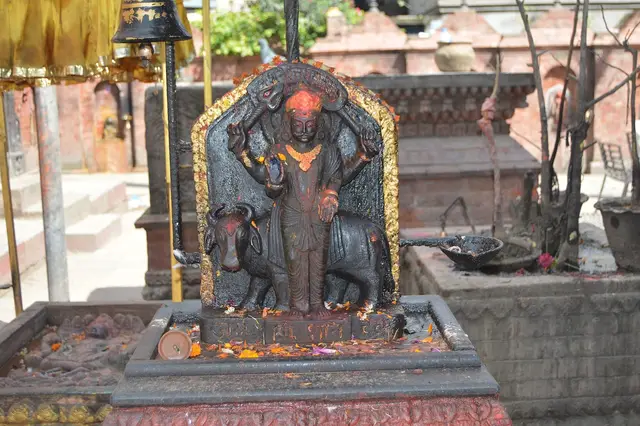
Who Shani Dev is in the Puranas, why he is feared and why that fear is misplaced, how to worship him at home on Saturday, his mantras with meanings, the Hanuman connection, and a calm explanation of Sade Sati and Dhaiya.
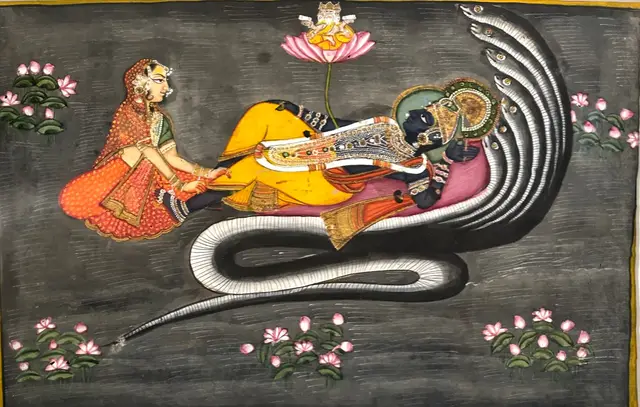
What the Vishnu Sahasranama is, where it comes from in the Mahabharata, how its 1,000 names are structured, what the phalashruti promises, and a realistic routine for reciting it daily even if you cannot read Sanskrit.

What Brahma Muhurta really is (it moves with sunrise, so it is not simply 4 AM), why the tradition prizes it for jaap and meditation, and a realistic two-week plan to shift your wake time without cutting your sleep.
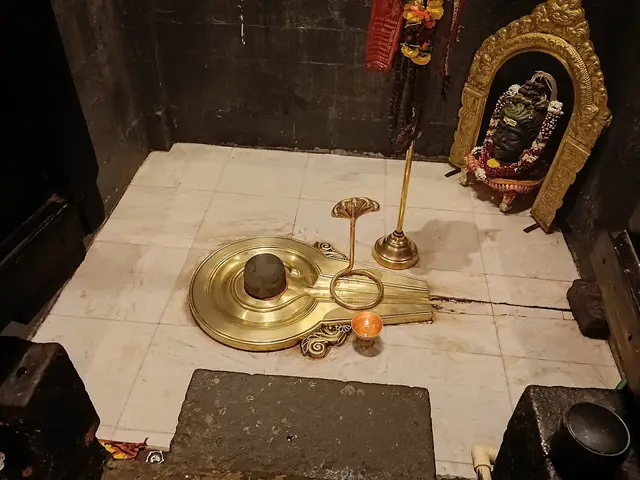
Learn the complete meaning of the Mahamrityunjaya Mantra, its healing benefits, correct chanting method, and how this powerful Shiva mantra protects against fear and negativity.

Discover the complete meaning of the Gayatri Mantra, its spiritual and scientific benefits, correct pronunciation, and the best time and method to chant for maximum effect.
Most of Hindu daily practice is small and repetitive: a mala in the morning, a lamp in the evening, a fast on Ekadashi, a longer puja on a festival. The difficulty is rarely belief. It is remembering the order of steps, knowing what a mantra actually says, and keeping the habit going through ordinary weeks. ToolStack Web exists for those three problems.
The Naam Jaap Counter counts repetitions and malas, keeps a daily target and a streak, and holds your running total for long vows. The Jaap Target Calculator works out what a sankalpa of 1.25 lakh or 1 crore means in malas per day and months on the calendar, so that you commit to a pace you can keep.
The guides are written to be read start to finish before a practice and then kept open during it. A puja vidhi lists the samagri, the sequence and the mantras at each step. A mantra guide gives the Devanagari, a careful transliteration, the meaning word by word, and the pronunciation traps that Hindi speakers most often fall into. Festival and fasting guides cover what is done, when, and why, with the scriptural source where one exists.
Everything here is free, and the site is supported by a small amount of advertising. The tools store your data only in your own browser. If you find an error in a guide, tell us; corrections are made and dated.
Naam jaap is the repetition of a divine name or short mantra, usually counted on a 108-bead mala. It is the simplest of all Hindu practices: no priest, no samagri, no fixed place. The name can be Ram, Shiva, Krishna, Hanuman, Durga or the name of your own ishta devata.
One mala of 108 done every day is a better start than five malas done occasionally. Most people settle at one to three malas in the morning after a few weeks and add more only when the habit is steady.
Yes. Jap, jaap and japa are all spellings of the same Hindi and Sanskrit word, जप, so a jaap counter, a naam japa counter online and a counter for naam jap all describe the same tool. Ours is at naamjapcounter.toolstackweb.com and it is free.
A physical mala is preferred for seated practice, and every tradition we know of accepts counting by other means when a mala is impractical. The common pattern is mala in the morning, counter for extra jaap during the day, with the counter also keeping the long-term total.
The Brahma Muhurta, the 48 minutes that begin about an hour and a half before sunrise, is the traditional first choice, followed by sunrise and the evening sandhya. If none of those fit your day, a fixed time you can keep is more valuable than an ideal time you cannot.
ToolStack Web is a small independent project built for Hindus who want to keep a steady daily practice. We make simple, free tools like the Naam Jaap Counter and write guides that explain the meaning behind mantras, pujas, and festivals in plain language.