Hanuman Chalisa — Meaning, Benefits & Practice Guide
A complete verse-by-verse breakdown of all 40 Hanuman Chalisa chaupais with meaning in English, pronunciation notes, and the tradition of Tuesday recitation.
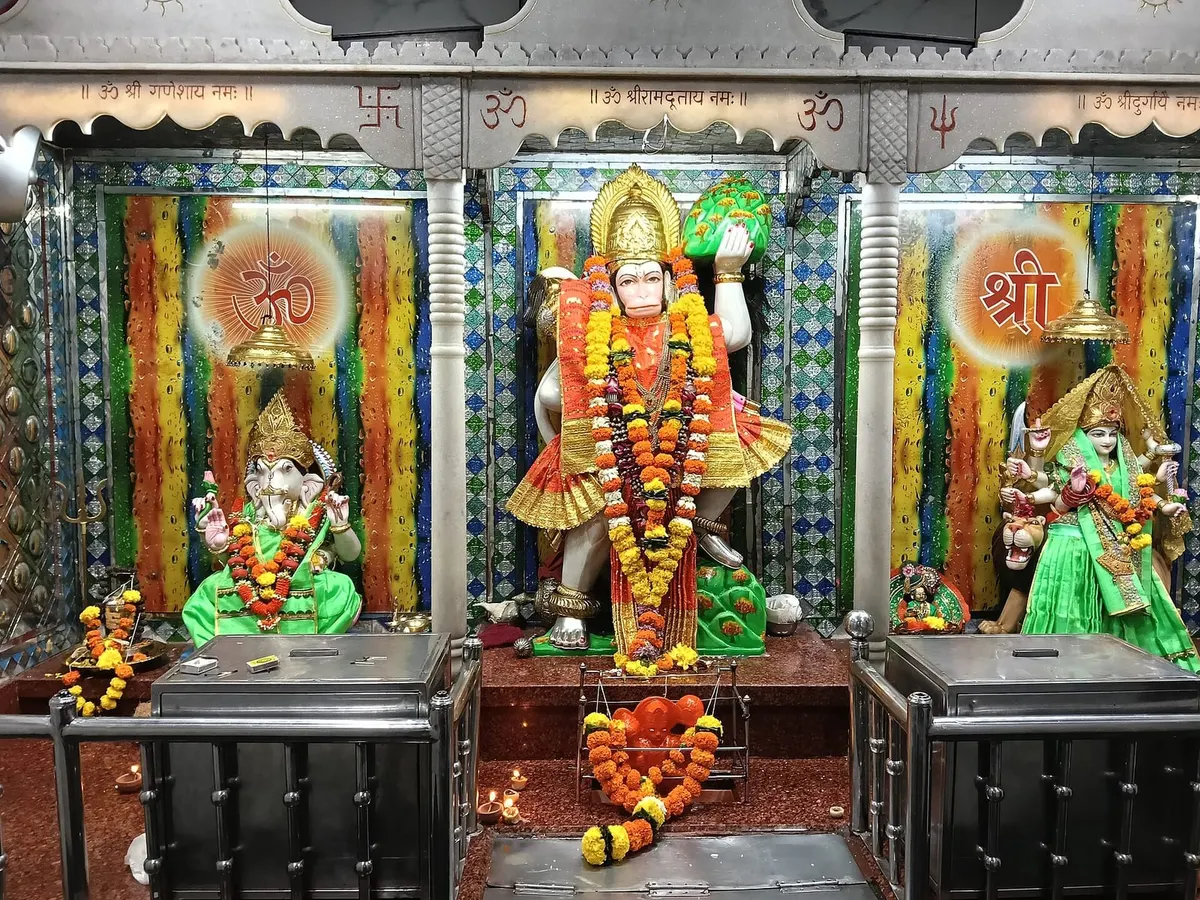
The Hanuman Chalisa is one of the most recited devotional hymns in Hinduism. Composed by Goswami Tulsidas in Awadhi, its 40 chaupais celebrate Hanuman’s virtues, exploits and divine nature. Millions recite it daily — especially on Tuesdays and Saturdays — seeking courage, protection and devotion.
This guide covers all 40 chaupais, not a selection. Each verse is given in Devanagari, in transliteration, and with a plain-English meaning.
Origin and Author
Goswami Tulsidas (c. 1532–1623 CE), the author of the Ramcharitmanas, composed the Hanuman Chalisa in Varanasi. According to tradition, he wrote it while imprisoned by Mughal officials, and the recitation summoned a troop of monkeys that secured his release. The story is traditional rather than documentary, but it explains the hymn’s association with release from confinement and danger.
The word Chalisa comes from chalis (चालीस), forty — the 40 chaupais that form the body of the hymn, framed by two opening dohas and one closing doha.
Structure
| Section | Count | Purpose |
|---|---|---|
| Opening Dohas | 2 | Invocation — Guru and Hanuman |
| Chaupais | 40 | Main body — Hanuman’s qualities and deeds |
| Closing Doha | 1 | Conclusion — the fruit of recitation |
Total: 43 verses. At a moderate pace, the full Chalisa takes about 8–12 minutes.
The Opening Dohas
1. श्रीगुरु चरन सरोज रज, निज मनु मुकुरु सुधारि। बरनउँ रघुबर बिमल जसु, जो दायकु फल चारि॥
Shri Guru Charan Saroj Raj, Nij Manu Mukuru Sudhari / Barnau Raghubar Bimal Jasu, Jo Dayaku Phal Chari.
Having polished the mirror of my mind with the dust of my Guru’s lotus feet, I describe the spotless glory of Raghubar (Rama), who grants the four fruits of life — dharma, artha, kama and moksha.
Tulsidas begins with the Guru before Hanuman or Rama. That order is deliberate and is one reason the Chalisa is treated as a guru-vandana as much as a Hanuman hymn.
2. बुधिहीन तनु जानिके, सुमिरौं पवन-कुमार। बल बुधि बिद्या देहु मोहिं, हरहु कलेस बिकार॥
Budhiheen Tanu Jaanike, Sumirau Pavan Kumar / Bal Budhi Vidya Dehu Mohi, Harahu Kalesh Vikaar.
Knowing my body and mind to be without wisdom, I remember the son of the Wind. Give me strength, intelligence and knowledge, and remove my troubles and flaws.
The Forty Chaupais
1. जय हनुमान ज्ञान गुन सागर। जय कपीस तिहुँ लोक उजागर॥ Jai Hanuman gyan gun sagar, jai kapis tihun lok ujagar. Victory to Hanuman, ocean of wisdom and virtue; victory to the lord of monkeys, who illuminates the three worlds.
2. राम दूत अतुलित बल धामा। अंजनि-पुत्र पवनसुत नामा॥ Ram doot atulit bal dhama, Anjani-putra Pavan-sut nama. Messenger of Rama, abode of immeasurable strength; known as Anjani’s son and the Wind’s child.
3. महाबीर बिक्रम बजरंगी। कुमति निवार सुमति के संगी॥ Mahabir bikram Bajrangi, kumati nivar sumati ke sangi. Great hero of valour, body like a thunderbolt; you remove wrong thinking and keep company with right understanding.
4. कंचन बरन बिराज सुबेसा। कानन कुंडल कुंचित केसा॥ Kanchan baran biraj subesa, kanan kundal kunchit kesa. Golden in complexion, beautifully adorned, with earrings and curled hair.
5. हाथ बज्र औ ध्वजा बिराजै। काँधे मूँज जनेऊ साजै॥ Haath bajra au dhwaja birajai, kandhe moonj janeu sajai. A thunderbolt and banner shine in your hands; the sacred thread of munja grass rests on your shoulder.
6. संकर सुवन केसरीनंदन। तेज प्रताप महा जग बंदन॥ Shankar suvan Kesari-nandan, tej pratap maha jag vandan. Offspring of Shankara, joy of Kesari; your radiance and power are honoured by the whole world.
7. विद्यावान गुनी अति चातुर। राम काज करिबे को आतुर॥ Vidyavan guni ati chatur, Ram kaj karibe ko aatur. Learned, virtuous and exceedingly clever; ever eager to do Rama’s work.
8. प्रभु चरित्र सुनिबे को रसिया। राम लखन सीता मन बसिया॥ Prabhu charitra sunibe ko rasiya, Ram Lakhan Sita man basiya. You delight in hearing the Lord’s deeds; Rama, Lakshmana and Sita dwell in your heart.
9. सूक्ष्म रूप धरि सियहिं दिखावा। बिकट रूप धरि लंक जरावा॥ Sukshma roop dhari Siyahi dikhawa, bikat roop dhari Lanka jarawa. Taking a tiny form you appeared before Sita; taking a terrifying form you burned Lanka.
10. भीम रूप धरि असुर संहारे। रामचंद्र के काज सँवारे॥ Bhim roop dhari asur sanhare, Ramchandra ke kaj sanware. In a formidable form you destroyed the demons, and you set right the work of Ramachandra.
11. लाय सजीवन लखन जियाये। श्रीरघुबीर हरषि उर लाये॥ Laye sanjivan Lakhan jiyaye, Shri Raghubir harashi ur laye. You brought the life-giving herb and revived Lakshmana; Raghu’s hero embraced you in joy.
12. रघुपति कीन्ही बहुत बड़ाई। तुम मम प्रिय भरतहि सम भाई॥ Raghupati kinhi bahut badhai, tum mam priya Bharatahi sam bhai. The Lord of the Raghus praised you greatly: “You are as dear to me as my brother Bharata.”
13. सहस बदन तुम्हरो जस गावैं। अस कहि श्रीपति कंठ लगावैं॥ Sahas badan tumharo jas gavain, as kahi Shripati kanth lagavain. “Even a thousand mouths could not finish your praise” — saying this, the Lord of Lakshmi held you to his breast.
14. सनकादिक ब्रह्मादि मुनीसा। नारद सारद सहित अहीसा॥ Sanakadik Brahmadi muneesa, Narad Sarad sahit Aheesa. Sanaka and the sages, Brahma and the great rishis, Narada, Saraswati and Shesha —
15. जम कुबेर दिगपाल जहाँ ते। कबि कोबिद कहि सके कहाँ ते॥ Jam Kuber digpal jahan te, kabi kobid kahi sake kahan te. Yama, Kubera and the guardians of the directions, poets and scholars — none can describe your glory fully.
16. तुम उपकार सुग्रीवहिं कीन्हा। राम मिलाय राज पद दीन्हा॥ Tum upkar Sugreevahi kinha, Ram milaye raj pad dinha. You helped Sugriva, brought him to Rama, and restored him to his kingdom.
17. तुम्हरो मंत्र बिभीषन माना। लंकेस्वर भए सब जग जाना॥ Tumharo mantra Vibhishan mana, Lankeshwar bhaye sab jag jana. Vibhishana followed your counsel and became king of Lanka — the whole world knows it.
18. जुग सहस्र जोजन पर भानू। लील्यो ताहि मधुर फल जानू॥ Jug sahasra jojan par Bhanu, lilyo tahi madhur phal janu. The sun is thousands of leagues away; you swallowed it, taking it for a sweet fruit.
19. प्रभु मुद्रिका मेलि मुख माहीं। जलधि लांघि गये अचरज नाहीं॥ Prabhu mudrika meli mukh mahi, jaladhi langhi gaye achraj nahi. With the Lord’s ring in your mouth you crossed the ocean — no wonder.
20. दुर्गम काज जगत के जेते। सुगम अनुग्रह तुम्हरे तेते॥ Durgam kaj jagat ke jete, sugam anugrah tumhare tete. However difficult the tasks of the world, your grace makes them easy.
21. राम दुआरे तुम रखवारे। होत न आज्ञा बिनु पैसारे॥ Ram duare tum rakhware, hot na agya binu paisare. You are the guardian of Rama’s door; no one enters without your consent.
22. सब सुख लहै तुम्हारी सरना। तुम रक्षक काहू को डर ना॥ Sab sukh lahai tumhari sarna, tum rakshak kahu ko darna. All who take refuge in you find every comfort; with you as protector, there is nothing to fear.
23. आपन तेज सम्हारो आपै। तीनों लोक हाँक तें काँपै॥ Aapan tej samharo aape, tinon lok hank te kanpe. You alone can contain your own radiance; at your roar the three worlds tremble.
24. भूत पिसाच निकट नहिं आवै। महाबीर जब नाम सुनावै॥ Bhoot pisach nikat nahi aave, Mahabir jab naam sunave. Ghosts and spirits come nowhere near when the great hero’s name is spoken.
25. नासै रोग हरै सब पीरा। जपत निरंतर हनुमत बीरा॥ Nasai rog harai sab pira, japat nirantar Hanumat bira. Disease is destroyed and all pain removed by unceasing repetition of Hanuman’s name.
26. संकट तें हनुमान छुड़ावै। मन क्रम बचन ध्यान जो लावै॥ Sankat te Hanuman chhudave, man kram vachan dhyan jo lave. Hanuman frees from danger all who hold him in thought, action, word and meditation.
27. सब पर राम तपस्वी राजा। तिन के काज सकल तुम साजा॥ Sab par Ram tapasvi raja, tin ke kaj sakal tum saja. Rama, the ascetic king, is above all; every one of his tasks you arrange.
28. और मनोरथ जो कोई लावै। सोइ अमित जीवन फल पावै॥ Aur manorath jo koi lave, soi amit jivan phal pavai. Whatever wish one brings, one receives its fruit in abundance.
29. चारों जुग परताप तुम्हारा। है परसिद्ध जगत उजियारा॥ Charon jug paratap tumhara, hai parasiddh jagat ujiyara. Your glory spans all four ages; it is renowned and lights the world.
30. साधु-संत के तुम रखवारे। असुर निकंदन राम दुलारे॥ Sadhu sant ke tum rakhware, asur nikandan Ram dulare. You are the protector of saints and sages, destroyer of demons, beloved of Rama.
31. अष्ट सिद्धि नौ निधि के दाता। अस बर दीन जानकी माता॥ Asht siddhi nau nidhi ke data, as bar din Janaki Mata. Giver of the eight siddhis and nine treasures — so blessed by Janaki (Sita) herself.
32. राम रसायन तुम्हरे पासा। सदा रहो रघुपति के दासा॥ Ram rasayan tumhare pasa, sada raho Raghupati ke dasa. The elixir of Rama’s name is with you; remain forever the servant of the Lord of the Raghus.
33. तुम्हरे भजन राम को पावै। जनम-जनम के दुख बिसरावै॥ Tumhare bhajan Ram ko pavai, janam janam ke dukh bisrave. By devotion to you one reaches Rama, and the sorrows of many births are forgotten.
34. अंत काल रघुबर पुर जाई। जहाँ जन्म हरि-भक्त कहाई॥ Ant kaal Raghubar pur jai, jahan janam Hari-bhakt kahai. At the end one goes to the city of the Raghus, and in every birth is called a devotee of Hari.
35. और देवता चित्त न धरई। हनुमत सेइ सर्ब सुख करई॥ Aur devta chitt na dharai, Hanumat sei sarb sukh karai. Whoever sets aside other deities and serves Hanuman attains every happiness.
36. संकट कटै मिटै सब पीरा। जो सुमिरै हनुमत बलबीरा॥ Sankat katai mitai sab pira, jo sumirai Hanumat balbira. Trouble is cut away and all pain dissolves for one who remembers mighty Hanuman.
37. जय जय जय हनुमान गोसाईं। कृपा करहु गुरुदेव की नाईं॥ Jai jai jai Hanuman gosai, kripa karahu Gurudev ki nai. Victory, victory, victory to Lord Hanuman; grant grace as a Guru would.
38. जो सत बार पाठ कर कोई। छूटहि बंदि महा सुख होई॥ Jo sat bar path kar koi, chhutahi bandi maha sukh hoi. Whoever recites it a hundred times is released from bondage and attains great joy.
39. जो यह पढ़ै हनुमान चालीसा। होइ सिद्धि साखी गौरीसा॥ Jo yeh padhai Hanuman Chalisa, hoi siddhi sakhi Gaurisa. Whoever reads this Hanuman Chalisa attains fulfilment — Gauri’s Lord (Shiva) is witness.
40. तुलसीदास सदा हरि चेरा। कीजै नाथ हृदय महँ डेरा॥ Tulsidas sada Hari chera, kijai nath hriday mahan dera. Tulsidas is forever Hari’s servant: take up your dwelling in my heart, O Lord.
The Closing Doha
पवन तनय संकट हरन, मंगल मूरति रूप। राम लखन सीता सहित, हृदय बसहु सुर भूप॥
Pavan tanay sankat haran, mangal murti roop / Ram Lakhan Sita sahit, hriday basahu sur bhoop.
O son of the Wind, remover of sorrow, embodiment of auspiciousness: dwell in my heart together with Rama, Lakshmana and Sita, O king of the gods.
Hanuman Naam Jaap Mantras
The Chalisa is a hymn. Hanuman naam jaap — the repetition of a short name or mantra — is a separate practice, and the two are often used together. The most common forms:
- ॐ हं हनुमते नमः (Om Ham Hanumate Namah) — the beej mantra. Short enough for a steady 108-bead round, and the one most often prescribed for daily jaap.
- ॐ श्री हनुमते नमः (Om Shri Hanumate Namah) — a straightforward salutation, suitable for general worship.
- ॐ ऐं भ्रीं हनुमते श्री राम दूताय नमः (Om Aim Bhreem Hanumate Shri Ram Dootaya Namah) — a longer mantra invoking Hanuman as Rama’s messenger; traditionally taken up with a guru’s guidance.
- जय हनुमान (Jai Hanuman) — the simplest devotional chant, suitable for continuous repetition through the day.
For counting, use a mala or the Naam Jaap Counter with “Custom” set to whichever form you have chosen. One full mala is 108 repetitions.
Benefits of Reciting the Chalisa
Within the tradition
- Removal of obstacles — Hanuman is Sankat Mochan, the liberator from trouble.
- Protection — the Chalisa is recited for protection from negative influences and fear.
- Devotional depth — regular recitation cultivates bhakti and surrender.
- Guru kripa — because the hymn opens with guru-vandana, it is held to invoke the Guru’s grace.
What practitioners report
- Courage — Hanuman embodies fearlessness, and recitation is used as preparation before difficult situations.
- Focus — the Awadhi metre is regular and repetitive, which makes it a concentration practice in its own right.
- Steadiness under stress — many practitioners describe a calmer response to difficulty, particularly when the Chalisa is recited daily.
- Discipline — a fixed daily recitation is easier to keep than an open-ended one.
Traditional beliefs about specific counts
- Reciting the Chalisa seven times on Tuesdays or Saturdays is a common practice, especially in connection with Shani.
- Brahma Muhurta (roughly 4–6 AM) is considered the best time.
- A 40-day continuous recitation (anushthan) is undertaken for a specific intention.
- Recitation before exams, interviews or court matters is traditional.
These are statements of tradition. The Chalisa is not a medical treatment and this guide does not present it as one.
How to Practise
Daily recitation
- Sit facing east or south — south is traditionally Hanuman’s direction.
- Light a diya of mustard oil or ghee, if you have one.
- Apply sindoor tilak if available.
- Recite once or twice at a steady pace; do not rush the metre.
- Close with “Bol Bajrang Bali Ki Jai!”
Tuesday (Mangalvar)
Tuesday is Hanuman’s primary day. Traditional enhanced practice includes visiting a temple, reciting the Chalisa seven times or more, offering sindoor and jasmine oil, and giving jaggery and chana.
Saturday (Shanivar)
Saturday recitation is associated with alleviating Shani-related difficulties: seven or eleven recitations, a mustard-oil diya, and a temple visit before sunset.
40-day anushthan
Begin on a Tuesday, recite at the same time daily, do not miss a day, keep a vegetarian diet for the period, and conclude on the fortieth day with an offering.
Pronunciation Notes
The Chalisa is in Awadhi, a dialect of Hindi. Points that trip up English speakers:
- Jai (जय) rhymes with “eye”, not “jay”.
- Gyan (ज्ञान) — the gy is a single sound, closer to “gyaan”.
- Dhari (धारी) — a aspirated dh, not English “dairy”.
- Bheem (भीम) — aspirated bh.
- Chhudave (छुड़ावे) — aspirated chh with a flapped r.
If the metre is unfamiliar, recite along with a respected recording until the rhythm settles. Hariharan’s and Gulshan Kumar’s versions are widely used.
The Hanuman–Rama Relationship
Every verse returns to Hanuman’s relationship with Rama. The Chalisa presents him as the model devotee:
- Seva — he asks nothing for himself.
- Bhakti — his attention never wavers from Rama.
- Strength in humility — the most powerful figure in the Ramayana is also the most deferential.
- Wisdom — he is a master of grammar, music and the scriptures, not merely a strongman.
That combination — power without arrogance — is why the Chalisa resonates beyond its devotional audience.
Download the Chalisa
A printable PDF of all forty chaupais, with the Devanagari text, transliteration and meaning, is available here: Download the Hanuman Chalisa (PDF). It is formatted for A4 and free to print for personal practice.
Track Your Practice
Use the Naam Jaap Counter to track daily recitation, particularly during a 40-day anushthan. Set a target and keep the streak.
Sources
- Hanuman Chalisa, Goswami Tulsidas — Awadhi text as printed in standard editions; the transliteration and glosses above follow the commonly received 40-chaupai recension.
- Ramcharitmanas, Tulsidas — the source of the Rama narrative referenced throughout.
- Ramayana, Valmiki — Hanuman’s deeds in the Sundara Kanda.
Jai Bajrang Bali!
Start your digital sadhana today.
Track your mantra practice with our free Naam Jaap Counter.
Open Naam Jaap Counter →