Shravan Month — What to Do Every Monday
Complete guide to the holy Shravan month including Monday fasting rules, Shiva worship practices, and the significance of this sacred period.
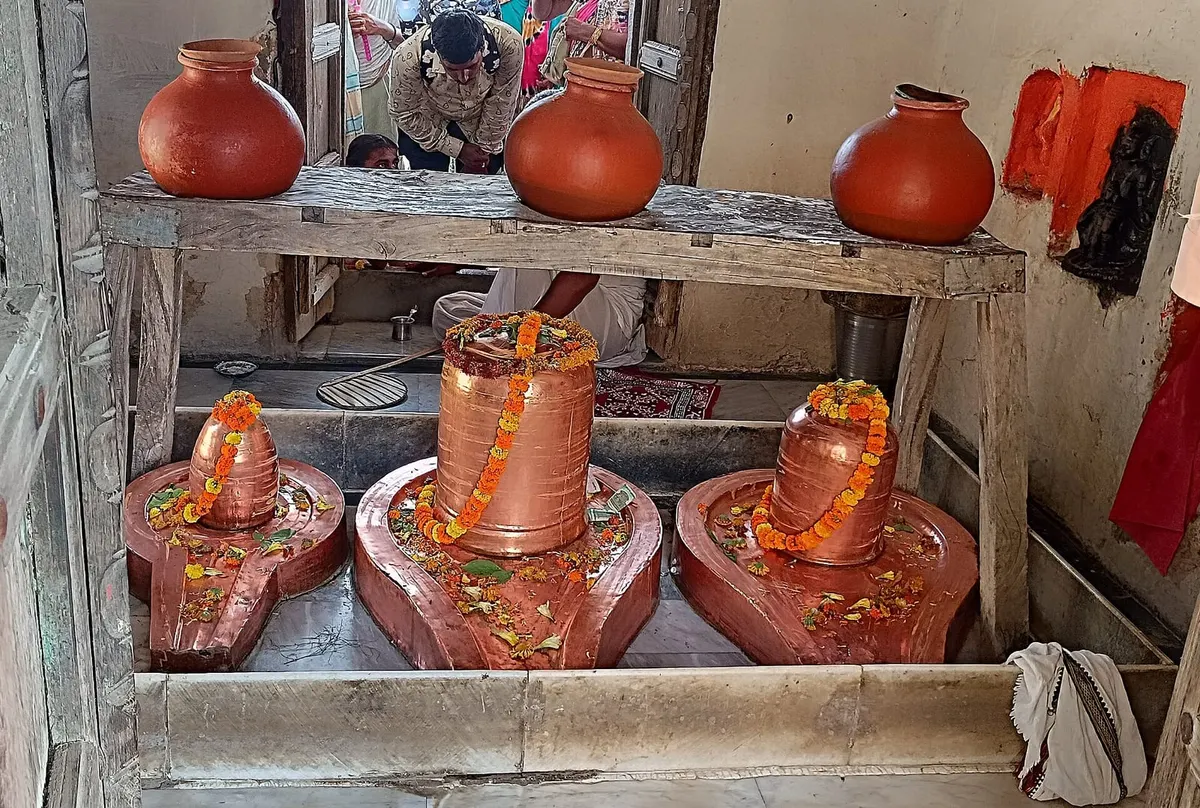
Shravan (also called Sawan) — the fifth month of the Hindu calendar (July/August) — is the holiest month for Lord Shiva devotees. Every Monday in Shravan is treated as a mini Maha Shivaratri, and the entire month carries an amplified spiritual charge for worship, fasting, and mantra practice.
Why Is Shravan Sacred?
Mythological Significance
During the Samudra Manthan (churning of the ocean), deadly poison (Halahala) emerged that threatened to destroy creation. Lord Shiva drank the poison to save the world, and the gods poured water on him to ease the burning. Shravan, falling during the monsoon season, symbolizes this cooling — the rains are nature pouring water on Shiva.
Astrological Significance
- The Sun enters the sign of Cancer (Karka rashi) during Shravan — a period considered ideal for spiritual practice
- The full moon (Purnima) in Shravan falls in the Shravana nakshatra — giving the month its name
- The monsoon creates a naturally sattvic (pure) environment — cool, green, introspective
Shravan Somvar Vrat (Monday Fasting)
Who Should Observe
- Shiva devotees seeking blessings
- Unmarried women seeking a good spouse (traditional belief)
- Anyone seeking health, peace, and spiritual growth
- Those going through Shani or Rahu dasha can benefit
Fasting Rules
Strict Fast:
- No food from sunrise to sunset
- Only water (some traditions allow milk)
- Break fast in the evening after Shiva puja
Standard Fast:
- One meal of fruits, milk, and Shiva-prasad
- No grains, no onion/garlic
- Rock salt only
- Break fast after evening puja
Foods Allowed:
- Fruits (all varieties)
- Milk, curd, kheer
- Sabudana khichdi
- Makhana (fox nuts)
- Dry fruits
- Sweet potato
- Bel patra (wood apple leaves — also offered to Shiva)
Foods Prohibited:
- All grains (wheat, rice, dal)
- Onion and garlic
- Non-vegetarian food
- Alcohol and intoxicants
- Brinjal (eggplant) — traditionally avoided in Shravan
Monday Shiva Puja — Step by Step
Morning Routine
- Wake before sunrise, bathe with cold water if possible
- Wear clean clothes — white or light colors preferred
- Visit a Shiva temple or set up your home puja
Puja Vidhi
1. Abhishek (Bathing the Shivling) The central act of Shravan worship. Pour these over the Shivling while chanting “Om Namah Shivaya”:
- Water (jal) — ideally Gangajal
- Milk (doodh)
- Curd (dahi)
- Honey (shahad)
- Ghee
- Sugar water
- Rose water
- Finally, clean water again
2. Offerings
- Bel patra (wood apple leaves) — Shiva’s favorite; offer in sets of three
- Dhatura flowers — sacred to Shiva (handle with care — the plant is toxic)
- White flowers — especially white lotus or chameli
- Bhang — traditionally offered in some regions (symbolic, not consumed)
- Raw milk — poured over the Shivling
- Vibhuti (sacred ash) — applied to the Shivling
- Rudraksha — placed near the Shivling
3. Mantra Chanting
- Chant “Om Namah Shivaya” 108 times (minimum)
- Or recite the Maha Mrityunjaya Mantra 108 times: “Om Tryambakam Yajamahe, Sugandhim Pushtivardhanam, Urvarukamiva Bandhanan, Mrityor Mukshiya Maamritat”
- Or read the Shiva Chalisa
4. Aarti Perform evening aarti with camphor and ghee diya. Sing “Om Jai Shiv Omkara”.
Rudrabhishek
For those seeking a more elaborate practice, the Rudrabhishek involves chanting the Sri Rudram (from the Yajur Veda) while performing abhishek. This is considered one of the most powerful Vedic rituals and is especially potent during Shravan.
Important Shravan Dates and Events
Every Monday (Somvar)
- Fasting and Shiva puja as described above
- Visit Shiva temples — especially the 12 Jyotirlingas if accessible
Shravan Purnima (Full Moon)
- Raksha Bandhan falls on this day
- Also observed as Janai Purnima — changing the sacred thread
- Coconut offering to Lord Varuna (sea god)
Nag Panchami
- Fifth day of Shravan’s bright half
- Worship of Nag Devta (serpent god)
- Milk offering to snake images
- Significance: Snakes are Shiva’s ornament; their worship pleases Shiva
Shravan Shivaratri
- The Shivaratri that falls during Shravan is particularly powerful
- Night-long vigil and worship
- Four prahar (3-hour segments) of puja through the night
Hariyali Teej
- Third day of Shravan’s bright half
- Women worship Parvati for marital bliss
- Swings, green clothes, mehendi, and traditional songs
Kanwar Yatra
During Shravan, millions of Kanwariyas (devotees) carry holy Ganga water on foot from Haridwar, Gaumukh, or Sultanganj to their local Shiva temples. This is one of the largest annual pilgrimages in the world.
The Kanwar (decorated pots of Gangajal balanced on a pole across the shoulders) must not touch the ground from the time the water is collected until it is offered to the Shivling.
Shravan Dos and Don’ts
Do:
- Wake early every Monday
- Perform abhishek with milk and water
- Chant Om Namah Shivaya or Maha Mrityunjaya Mantra daily
- Keep a Rudraksha mala for chanting
- Eat sattvic food throughout the month
- Practice truth, non-violence, and compassion
Don’t:
- Don’t eat non-vegetarian food during Shravan
- Don’t consume alcohol
- Don’t cut trees (especially Bel and Peepal)
- Don’t kill snakes or insects
- Don’t eat leafy greens (traditional — because monsoon greens may carry insects)
- Don’t begin new negative habits
Track Your Shravan Practice
Maintain your daily “Om Namah Shivaya” count throughout the month with our Naam Jaap Counter. Set a Shravan-long streak and track every Monday’s practice.
Har Har Mahadev!
Start your digital sadhana today.
Track your mantra practice with our free Naam Jaap Counter.
Open Naam Jaap Counter →