Ekadashi Fasting — Dates, Rules & Allowed Foods
Everything you need to know about Ekadashi vrat: which foods are permitted, the spiritual significance, and a practical fasting guide.
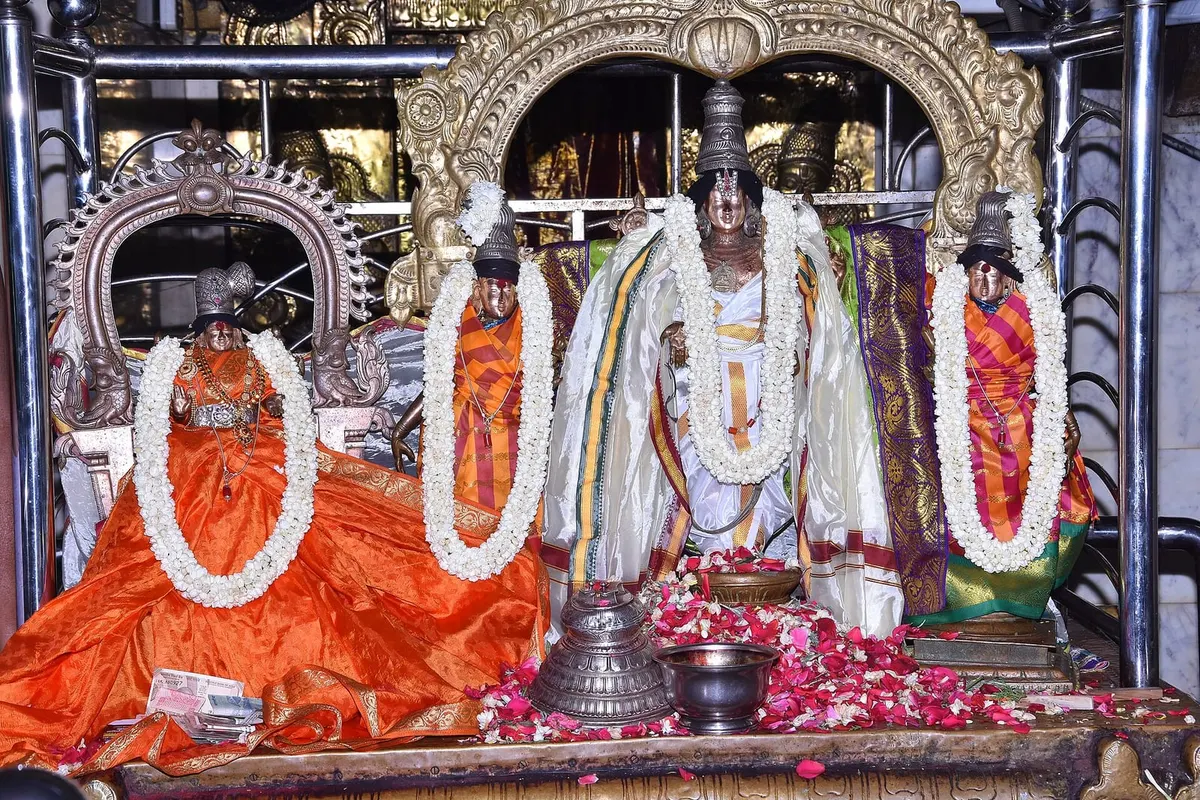
Ekadashi — the eleventh day of each lunar fortnight — is the most sacred fasting day in Vaishnavism and widely observed across all Hindu traditions. With 24 Ekadashis in a regular year (and two additional in a leap year), it is the most frequently occurring vrat in the Hindu calendar.
What Is Ekadashi?
Ekadashi comes from eka (one) + dashi (ten) = eleven. It falls on the 11th tithi (lunar day) of both the Shukla Paksha (waxing moon) and Krishna Paksha (waning moon) — twice every month.
Each Ekadashi has a unique name and story. Some of the most important:
| Ekadashi | Month | Significance |
|---|---|---|
| Nirjala Ekadashi | Jyeshtha (May/Jun) | Most austere — no food or water |
| Devshayani Ekadashi | Ashadha (Jun/Jul) | Vishnu goes to sleep; Chaturmas begins |
| Prabodhini Ekadashi | Kartik (Oct/Nov) | Vishnu wakes; Chaturmas ends |
| Vaikuntha Ekadashi | Margashirsha (Dec/Jan) | Gate of Vaikuntha opens |
| Kamada Ekadashi | Chaitra (Mar/Apr) | Fulfills desires |
| Papamochani Ekadashi | Phalguna (Feb/Mar) | Destroys accumulated sin |
Why Fast on Ekadashi?
Scriptural Basis
The Padma Purana contains a dialogue between Lord Krishna and King Yudhishthira where Krishna explains that Ekadashi fasting destroys sins equivalent to donating 1000 cows. The Bhagavata Purana and Garuda Purana also emphasize Ekadashi as the most pleasing vrat to Lord Vishnu.
Spiritual Significance
- Ekadashi is Vishnu’s favorite day — fasting on this day directly pleases Him
- The merit of Ekadashi vrat is said to exceed that of visiting all tirthas (pilgrimage sites)
- It is one of the few vrats that has a complete mahatmya (glorification story) for each occurrence
- Observing all 24 Ekadashis in a year is considered equivalent to a year of continuous tapas
Health and Scientific Perspective
- Twice-monthly fasting aligns with the lunar cycle and supports digestive rest
- A 24-hour fast with fruit intake provides autophagy benefits
- Regular fasting has been linked to improved insulin sensitivity, reduced inflammation, and mental clarity
Fasting Rules
Strict (Nirjala) Fast
- No food and no water for the entire day (sunrise to sunrise)
- Reserved for the most dedicated practitioners
- Nirjala Ekadashi (one day a year) is traditionally observed this way
- Not recommended for the elderly, children, pregnant women, or those with medical conditions
Standard (Phalahari) Fast
The most commonly observed form:
Allowed Foods:
- All fruits — banana, apple, pomegranate, papaya, grapes
- Milk and milk products — milk, curd, paneer, kheer
- Dry fruits — almonds, cashews, walnuts, raisins, dates
- Potatoes (in many traditions)
- Sabudana (sago/tapioca)
- Kuttu ka atta (buckwheat flour)
- Singhara atta (water chestnut flour)
- Makhana (fox nuts / lotus seeds)
- Rock salt (sendha namak) — NOT regular salt
- Ghee and oil
- Fresh coconut and coconut water
- Peanuts (accepted by most traditions)
Strictly Prohibited:
- Rice (the demon Mura is said to reside in rice on Ekadashi)
- Wheat and all regular grains
- Lentils and dals
- Regular salt (table salt, iodized salt)
- Onion and garlic
- Meat, fish, and eggs
- Alcohol and intoxicants
- Betel leaf (paan) with tobacco
Partial Fast
For those who cannot maintain a full-day fast:
- Eat one meal at lunch time (avoiding prohibited items)
- Or eat fruits and milk throughout the day
- The key restriction is no grains and no rice
How to Observe Ekadashi — Step by Step
Day Before (Dashami)
- Eat a light sattvic dinner — avoid heavy, tamasic food
- Set your intention (sankalpa) for the fast
- Prepare your Ekadashi food items in advance
Ekadashi Day
Morning:
- Wake before sunrise
- Bathe and wear clean clothes
- Visit a temple if possible, or perform puja at home
- Take formal sankalpa: “I observe this Ekadashi vrat for the pleasure of Lord Vishnu and the welfare of my family.”
During the Day:
- Chant Vishnu mantras or read Vishnu Sahasranama
- Recite the specific Ekadashi Mahatmya (story) for that day
- Avoid sleep during the day (traditional rule — daytime sleep transfers the vrat’s merit to another)
- Stay engaged in satsang, reading scripture, or devotional activities
- Eat permitted foods if observing phalahari fast
Evening:
- Perform evening puja
- Light a diya near the Tulsi plant
- Chant “Om Namo Bhagavate Vasudevaya” 108 times
- If possible, stay awake for part of the night (jagran)
Day After (Dwadashi — Breaking the Fast)
This is critical. The fast must be broken during the Parana window on Dwadashi morning — typically within 2.5 hours after sunrise. Breaking the fast outside this window reduces the merit.
- Take bath
- Offer food to a Brahmin or feed someone (traditional)
- Eat a simple grain meal — traditionally rice with ghee and dal
- Resume normal eating
Common Ekadashi Recipes
Sabudana Khichdi
The most popular Ekadashi meal:
- Soaked sabudana (sago pearls)
- Roasted peanuts
- Cubed boiled potatoes
- Green chili, curry leaves
- Rock salt
- Ghee
Kuttu ki Puri
- Buckwheat flour kneaded with boiled potato
- Deep fried in ghee or oil
- Served with curd or fruit chutney
Makhana Kheer
- Fox nuts roasted in ghee
- Simmered in milk with sugar
- Cardamom and dry fruit garnish
Frequently Asked Questions
Q: Can I drink water during Ekadashi? Yes, unless you are observing Nirjala (waterless) Ekadashi. Water is permitted in standard Ekadashi fasting.
Q: Can I drink tea/coffee? Technically, tea and coffee are not prohibited, but many practitioners avoid them as they contain stimulants. Herbal tea or milk is preferred.
Q: What if I accidentally eat rice? If done unknowingly, offer a sincere prayer to Vishnu and continue the fast. The intention matters more than a momentary slip.
Q: Do children need to fast? Children under 12 are generally exempt. They can observe a partial fast by avoiding rice.
Q: Can pregnant or nursing women fast? They can observe a partial or modified fast. Full fasting is not recommended during pregnancy or nursing. Consult a healthcare provider.
Track Your Ekadashi Practice
Maintain your Ekadashi vrat streak and track your mantra counts on fasting days with our Naam Jaap Counter.
Om Namo Bhagavate Vasudevaya.
Start your digital sadhana today.
Track your mantra practice with our free Naam Jaap Counter.
Open Naam Jaap Counter →